Selecting a vinegar manufacturer requires technical reading and the ability to analyze variables that are not always visible on the surface of the product. The product is present in important processes of the food chain, acting as a preservation agent, pH modulator, and structuring element in formulations that require chemical stability over time.
In industrial contexts, an inappropriate choice of supplier can compromise everything from recipe standardization to the microbiological safety of stored foods. Meanwhile, in domestic consumption, differences in quality impact flavor, culinary performance, and, in some cases, the shelf life of preparations. And for commercializing, understanding these differences is essential to offer the best products to consumers.
Behind an apparently simple vinegar, there is a production chain that involves biotechnological control, rigorous selection of raw materials, and highly monitored industrial processes. Understanding these factors is what allows differentiating consistent products from unstable and unpredictable solutions.
This guide organizes the essential technical criteria to evaluate vinegar manufacturers in depth, considering everything from the origin of the raw material to scale capacity and quality control. Enjoy your reading!
How to know if a vinegar manufacturer is reliable?
Before evaluating portfolio or price, it is necessary to understand that reliability, in this context, is directly linked to control capacity. Producing vinegar on an industrial scale means operating a sensitive biological process, where small variations can alter acidity, aroma, and stability.
Consistent manufacturers structure their operations to reduce variability and ensure precise repetition of results. This involves technical mastery, adequate infrastructure, and governance over all production stages. For example:
→ Certifications and regulatory compliance
Compliance with ANVISA and MAPA standards ensures that the manufacturer meets mandatory technical criteria related to composition, labeling, and safety.
→ Technical transparency by batch
Detailed laboratory reports should be a requirement for operations that rely on chemical consistency. Information such as acidity, pH, and microbiological analysis must be available and auditable.
A reliable manufacturer is one that reduces uncertainties. When all parameters are controlled and documented, vinegar transitions from a variable input to a predictable technical component within any application.
The science of flavor: raw material and acidity
The building of vinegar's sensory profile begins long before fermentation. The choice of raw material defines flavor, aroma, chemical behavior, stability, and application possibilities.
The analysis of this topic focuses on two widely used types, apple cider vinegar and wine vinegar, because they represent relevant extremes within the portfolio: one with a milder and more versatile profile, the other with greater phenolic complexity. This comparison allows understanding how different bases influence the final result.
Apple cider vinegar
Quality depends on controlling the sugar content of the fruit. An adequate Brix level ensures efficiency in alcoholic fermentation and, subsequently, stability in the formation of acetic acid. The result is a vinegar with balanced acidity and a lighter sensory profile.
Wine vinegar
Starts from an already fermented input, which preserves compounds such as polyphenols. These elements contribute to greater aromatic complexity and expand its use in more sophisticated gastronomic applications.
In addition to these, other types are also relevant depending on the use:
Alcohol vinegar, with a neutral profile and high efficiency as a preservative;
Balsamic vinegars, with concentrated sugars and higher density;
Flavored vinegars, which expand culinary possibilities.
Acidity standardization
Acidity, generally between 4% and 6%, defines the behavior of vinegar in different contexts. In canned goods, for example, the acidity level is decisive in inhibiting microbial growth.
Raw material and acidity are not isolated attributes. They determine how vinegar behaves in real use, directly influencing flavor, preservation, and stability.
Production processes: the art of controlled fermentation
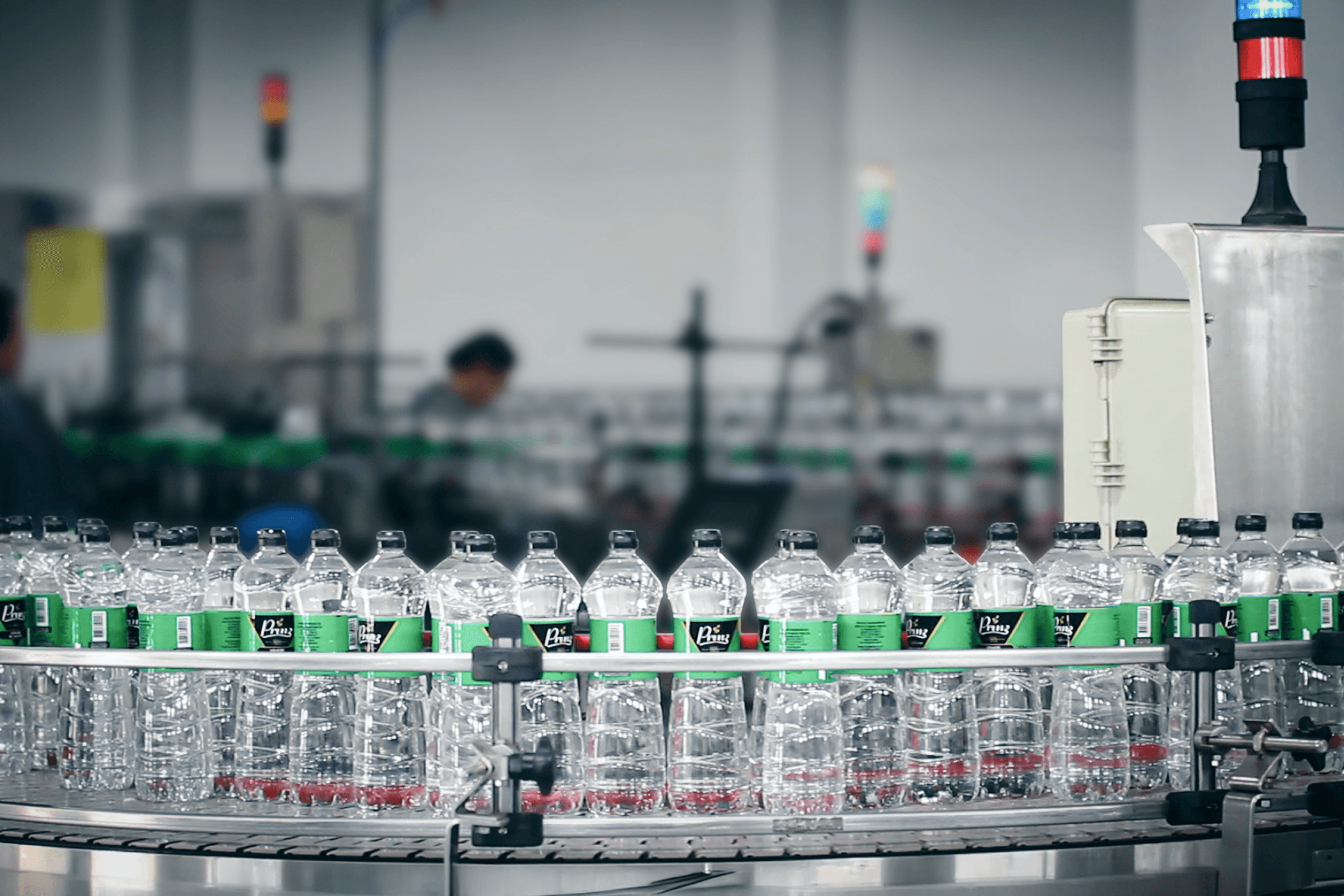
Vinegar production involves two fundamental stages: alcoholic fermentation and acetic fermentation. Mastery of these phases defines the quality of the final product.
In industrial practice, the challenge lies in the strict control of fermentation, ensuring preservation of the sensory profile and consistency between batches.
→ Traditional method (Orléans)
Fermentation occurs more slowly and naturally. This process favors the development of more complex aromatic compounds, being used in premium vinegars.
→ Control of critical variables
During acetification, three factors need to be continuously monitored:
Temperature, which influences bacterial activity and the volatilization of aromas;
Oxygenation, essential for the metabolism of acetic bacteria.
Fermentation time, which directly impacts the final concentration of acetic acid.
In addition, modern systems use sensors to keep these variables within ideal ranges.
Controlled fermentation transforms a biological process into a predictable system. The greater the control, the less the variability and the higher the final quality.
Batch standardization in continuous production
Consistency between batches is one of the main indicators of industrial maturity. In professional operations, minimal variations can generate significant impacts.
In the food sector, differences in pH or acidity between batches alter the behavior of vinegar in recipes, preserves, and industrial processes. This compromises the stability of the final product and increases the risk of loss.
Another important point is repeatability over time. Vinegar produced at different periods must display the same composition and performance.
Standardization is more than visual or sensory consistency. It is about measurable chemical stability, essential for applications requiring precision.
Food safety and quality control
Food safety depends on the manufacturer's ability to control risks at all stages of the process, from selecting raw materials to packaging and distribution. Each stage must be monitored to avoid contamination and ensure compliance with sanitary standards. Trust manufacturers who:
→ Have an in-house laboratory
Allows continuous analysis of acidity, pH, and the presence of microorganisms. This control reduces the likelihood of failures and ensures constant quality.
→ Guarantee filtration and stability
In filtered vinegars, particle removal prevents visual changes and extends shelf life. In unfiltered products, the challenge is to maintain stability without compromising safety.
In addition, robust manufacturers adopt good manufacturing practices protocols and quality management systems.
Food safety is a structured system. When well implemented, it eliminates risks and ensures confidence in consumption.
Production capacity and supply at scale
Production capacity is directly linked to the ability to meet variations in demand without compromising quality. More than volume, what matters is the consistency with which this volume is delivered over time.
A well-structured operation integrates production, storage, and logistics. Production planning respects fermentation cycles, avoiding accelerations that impact the product. Storage ensures continuous availability, while logistics guarantees efficient delivery, without losses or damage.
In the context of a vinegar manufacturer, scalability requires strict control. Increased production cannot alter parameters such as acidity, pH, or process time. When this is not sustained, variations between batches and loss of performance arise.
Limited structures tend to show instability precisely during times of higher demand.
Efficient production capacity is that which grows while maintaining control, quality, and predictability.
Versatility: from packaging to applications
The versatility of a vinegar manufacturer expands its market value by allowing the same technical standard to be applied across different usage contexts. It covers product diversity and the ability to adapt delivery formats according to demand, maintaining consistency at all scales.
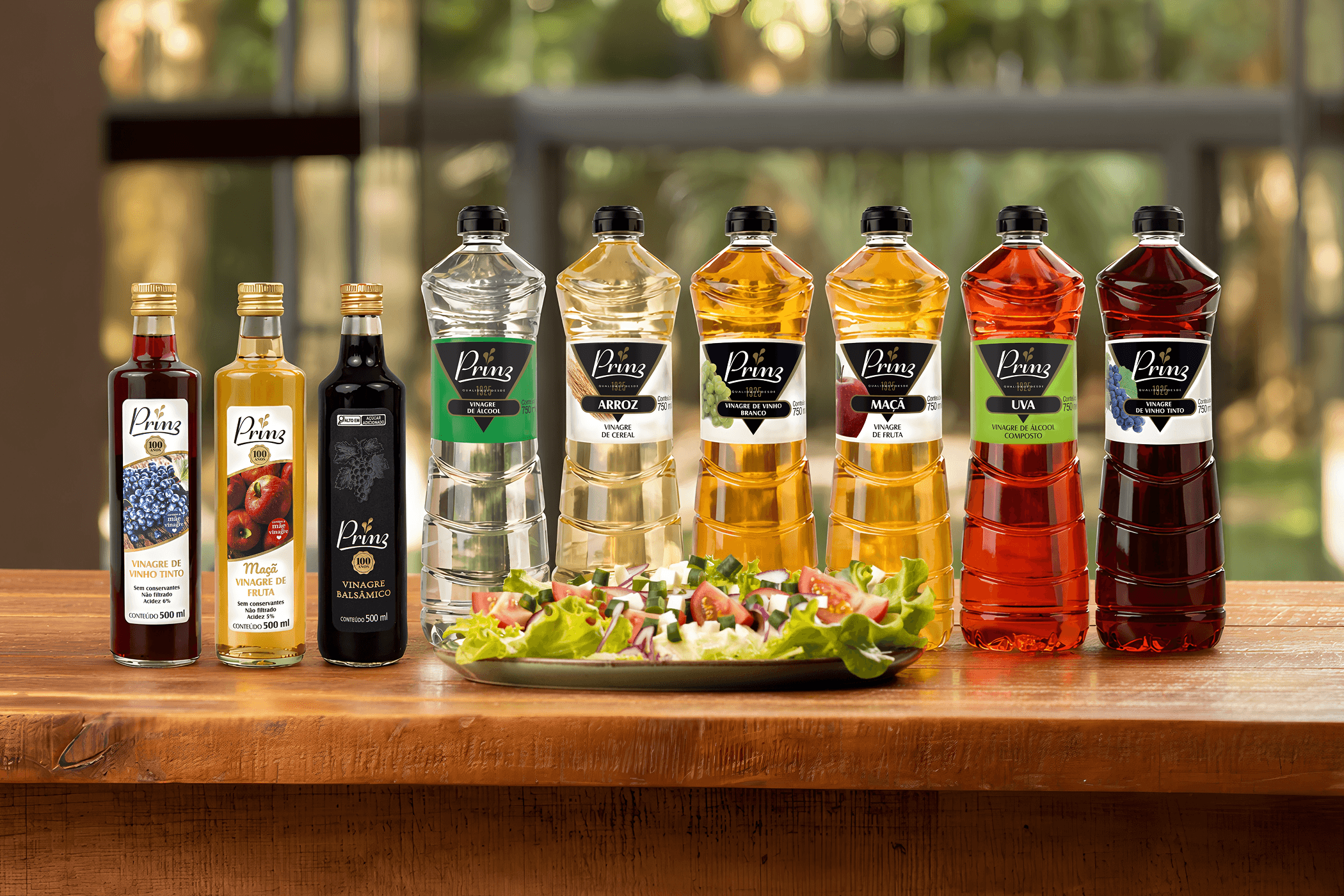
Regarding packaging, a structured operation offers solutions that cater from domestic consumption to industrial applications. Retail-oriented bottles prioritize ergonomics and practicality in daily use, while jugs are directed at food service and professional kitchens.
Versatility is also reflected in the portfolio. A vinegar manufacturer with a solid production base can work with traditional lines, organic options, balsamic versions, and flavored products, expanding application possibilities without compromising quality control. This diversity is supported by processes capable of ensuring stability even in products with distinct sensory profiles.
This set of factors allows meeting various audiences without generating unwanted variations in the product. In more advanced operations, there is also the ability to adjust specific characteristics according to the application, preserving technical parameters like acidity and chemical behavior.
Versatility, in this context, is directly linked to the ability to meet different demands with technical coherence, standardization, and control throughout the entire production chain.
What you need to know before choosing a vinegar manufacturer
Before making a decision, it is essential to structure the analysis with objective criteria. The table below organizes the main evaluation points for vinegar used for industrial, commercial, or domestic purposes.
Criterion | What to evaluate | Why it is important |
Time in market | History and reputation | Indicates stability and experience |
Certifications | Compliance with regulations | Ensures safety and quality |
Standardization | Consistency between batches | Avoids variations in use |
Production structure | Technology | Reduces errors and increases control |
Logistical capacity | Storage and distribution | Guarantees continuous supply |
Portfolio | Product variety | Meets different applications |
Technical support | Customer service and documentation | Facilitates integration into processes |
Why Vinagres Prinz positions itself as a benchmark
Vinagres Prinz consolidates its position by uniting production tradition and industrial infrastructure guided by technical control. Its operation combines mastery of fermentation stages with strict monitoring, ensuring consistency between batches and compliance with demanding standards through continuous laboratory analyses.
The operating unit was structured to meet different scales, from domestic consumption to industry, maintaining control over critical parameters such as acidity and pH. This same production base supports operations in private label, with the development of store brands that require a high level of standardization and predictability.
With a broad portfolio, supply stability, and quality maintenance over time, the company brings together the necessary elements to meet demands requiring consistency, safety, and reliable technical performance.
When the decision involves technical criteria and not just price, evaluating a manufacturer with this level of structure is the safest path to reduce risks and ensure consistent results.
Need a reliable supplier for your industry or retail chain? Get in touch with our sales team and request a quote.