
The vinegar shot has established itself as one of the most popular habits among people seeking a more functional, balanced routine connected to metabolic health. Present on social media, in videos, recipes, and morning protocols, its consumption has gained ground mainly for combining practicality, low cost, and an association with well-being.
However, there is an important point that often gets lost amidst the trends: the vinegar shot does not work as an isolated solution, nor should it be treated as a shortcut to health.
The true value of this habit lies in how it can complement a balanced diet, especially when attention is paid to the quality of the product, correct dilution, and the overall context of the dietary routine.
The big catch here is understanding what actually happens in the body that helps turn consumption into something conscious, safe, and sustainable.

What is a vinegar shot?
The vinegar shot consists of a small concentrated dose of vinegar, usually Apple Cider Vinegar, diluted in water and consumed at strategic times of the day.
Its consumption is usually associated with functional eating routines and habits aimed at well-being, mainly because it is a simple, quick, and easy alternative to incorporate into daily life.
Although the basic composition is quite simple, the vinegar shot has gained different versions over time. Ingredients like ginger, lemon, turmeric, and cinnamon are frequently added to soften the flavor, reduce the intensity of the acidity, and create more aromatic combinations.
Apple Cider Vinegar has become the main protagonist of this trend because it has a milder sensory profile compared to other types of vinegar and already has a strong historical association with natural food practices and fermentation.
Another important factor in its popularization was the growing interest in acetic acid, the main compound present in vinegar and the focus of studies related to digestion, glycemic response, and functional eating habits.

Why did the vinegar shot become a trend?
The growth in consumption of the vinegar shot goes hand in hand with an important shift in contemporary eating behavior. In recent years, topics like gut health, metabolic balance, microbiota, fermented foods, and functional nutrition have taken center stage in health and wellness conversations.
At the same time, the search for simple and accessible strategies that could be easily incorporated into daily life increased. Thus, the vinegar shot gained momentum precisely because it seemed practical, cheap, and easy to prepare.
Social media also played a fundamental role in this movement. The habit became associated with organized morning routines, productivity, and self-care, turning the drink into almost a symbol of dietary discipline.
The problem is that this popularization also brought exaggerations. A lot of content began to attribute unrealistic promises to the vinegar shot, such as accelerated weight loss, instant detox, and intense fat burn. We need to take into consideration that no single food has the capacity to generate profound changes on its own.
The body works in a much more complex way and depends on factors such as diet, sleep, hydration, physical activity, and consistency of habits for positive results.
What does science actually observe about the vinegar shot?
Scientific interest in vinegar has existed for a long time, mainly in research related to acetic acid and its possible digestive and metabolic effects.
Although there are still limitations in the studies, some physiological mechanisms frequently appear in investigations and help explain why the vinegar shot has gained ground in functional eating routines.
Among the most analyzed topics are digestion, glycemic response, feeling of satiety, and metabolic impacts associated with moderate vinegar consumption within a balanced diet.
In the following sections, we will show what is actually being observed regarding these effects and why the vinegar shot has become so associated with digestive and metabolic well-being.
Vinegar shot and digestion
One of the most reported effects by people who consume vinegar shots is related to a feeling of digestive lightness after meals.
This happens because the acidic environment directly participates in important digestive processes. Acetic acid acts by modulating the breakdown of carbohydrates, which slows down the absorption of glucose.
During heavier meals, with large amounts of carbohydrates, proteins, and fat, some people report feeling less bloated when they consume small amounts of vinegar before eating.
While the vinegar shot should not be viewed as a treatment for digestive issues, the presence of acetic acid helps explain why this habit has become frequently associated with a shelf-life feeling of greater gastrointestinal comfort in certain dietary routines.
Vinegar shot and glycemic control
Among all topics related to the vinegar shot, this is perhaps the most studied. Researchers investigate the relationship between acetic acid and the body's glycemic response after carbohydrate-rich meals.
This process involves analyzing how the body reacts to the increase in glucose after consuming foods like pasta, bread, white rice, sweets, and desserts.
Some studies suggest that vinegar can help make this absorption a bit more gradual in certain dietary contexts. This helps explain why many people started consuming the shot before lunch or dinner.
Still, it is important to reinforce that the vinegar shot does not replace medical follow-up, diabetes treatment, or individualized nutritional strategies. It can only be part of a balanced dietary routine.
Vinegar shot and feeling of satiety
Another point frequently associated with the consumption of the vinegar shot is the perception of greater satiety throughout the day. This can occur for different reasons, ranging from alterations in the rate of gastric emptying to behavioral factors linked to meal organization.
In many dietary routines, people report less desire to snack between meals when they start keeping more organized habits, including consuming the vinegar shot before main meals.
But again, the effect does not happen in isolation. Satiety depends mainly on the overall composition of the diet, especially the presence of fibers, proteins, proper hydration, and regular eating patterns.

How to prepare a vinegar shot correctly?
This is one of the most important points of the entire practice. The biggest mistake related to the vinegar shot is consuming the product pure. The high acidity can irritate mucous membranes, sensitize teeth, and cause digestive discomfort.
Basic vinegar shot recipe
1 tablespoon of Prinz Apple Cider Vinegar;
50ml to 100ml of water.
Recipe with ginger and lemon
1 tablespoon of Prinz Apple Cider Vinegar;
Filtered water;
A few drops of lemon;
Grated ginger;
Ice optional.
The goal of these combinations is not only to add flavor but to soften the intensity of the acidity and make consumption more pleasant.
Best time to consume a vinegar shot
There is no single universal ideal time. The best moment depends on individual tolerance, diet, and the body's response.
Many people prefer to consume the vinegar shot on an empty stomach as part of their morning routine. In this way, the habit is usually associated with the idea of preparing the digestive system for the day.
On the other hand, people with higher gastric sensitivity often tolerate consumption better when it is close to meals.
Another very common strategy is to consume the shot about 15 to 20 minutes before lunch or dinner, especially before meals richer in carbohydrates.
Essential care when consuming a vinegar shot
Although it seems like a simple habit, there are important precautions that should not be ignored. The first one involves oral health.
Because it has an acidic pH, vinegar can contribute to the wearing down of tooth enamel over time, especially when consumed without proper dilution.
Tips to reduce impact on teeth:
Use a straw;
Rinse your mouth with water after consumption;
Avoid brushing your teeth immediately after taking the shot.
Another important point involves the digestive system. Not everyone's body responds well to frequent consumption of acidic substances. People with gastritis, reflux, esophagitis, or gastrointestinal sensitivity may experience worsening of symptoms.
Recurring discomfort, heartburn, or a burning sensation should not be treated as normal and require medical advice.
Who should avoid the vinegar shot?
Despite its popularity, the vinegar shot is not suitable for everyone. Individuals with gastritis, severe reflux, ulcers, esophagitis, and significant tooth sensitivity issues should exercise caution before incorporating the habit into their routine.
In addition, people who use certain medications or have specific metabolic alterations should seek professional guidance before starting frequent consumption.
The most important thing is to understand that health does not work in a standardized way. What works for one person may not work for another.
Alternatives to the vinegar shot
Not everyone likes the sensory experience of a concentrated shot, and that does not mean you have to stop using vinegar in your diet. Culinary use remains one of the most balanced and traditional ways of consumption.
Vinegar can be incorporated into salads, vegetables, marinades, preserves, and light sauces, contributing to both the flavor and the gastronomic complexity of the dishes.
Another interesting alternative is to dilute small amounts in a larger bottle of water and consume it gradually throughout the day, reducing the intensity of the acidity.
Does the vinegar shot work alone?
This is perhaps the most important question of all. And the answer is no. No single food replaces a balanced diet, proper sleep, hydration, movement, and professional guidance when necessary.
The vinegar shot can only be a complement within a broader routine of care.
When used with balance, awareness, and without excesses, it can become an interesting functional habit. But the real impact on health will always be related to the overall routine, and not to a single strategy.
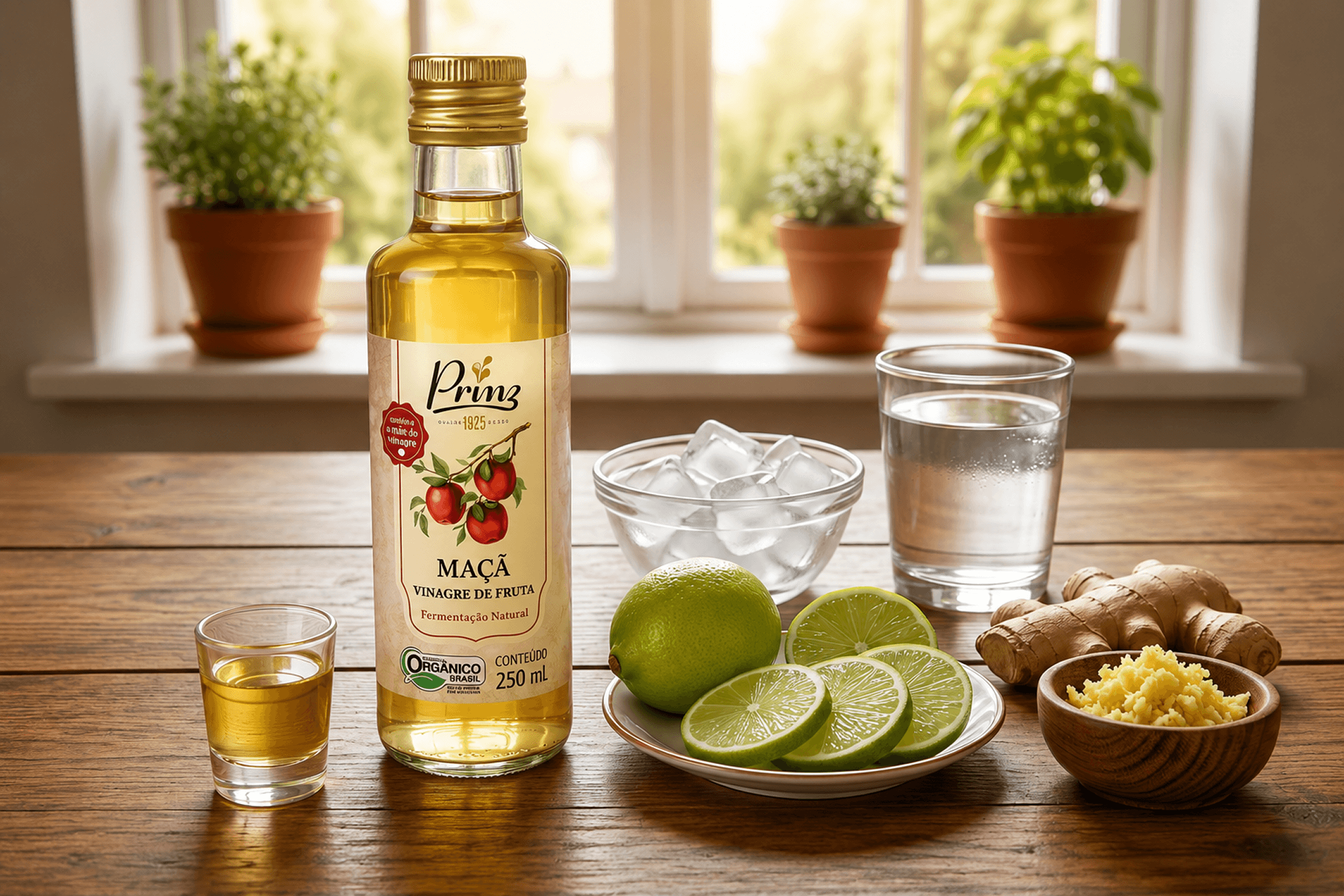
Prinz Apple Cider Vinegar for your functional routine
Incorporating the vinegar shot into your routine requires more than just following trends. The quality of the product, the method of consumption, and its daily versatility make a difference in the experience and in building more consistent habits.
Prinz Apple Cider Vinegar can be used both in preparing diluted shots and in different dietary strategies, accompanying meals, salads, sauces, marinades, and functional combinations throughout the day.
Its versatile profile allows you to adapt consumption according to individual preference, whether in simpler recipes or in preparations that combine ingredients like lemon, ginger, and spices.
More than turning the vinegar shot into a passing ritual, the goal is to build a more balanced relationship with food, respecting the body and prioritizing choices that make sense within your routine.
Sources:
FAQ about Vinegar Shots
What is a vinegar shot?
A vinegar shot is a small dose of vinegar diluted in water, typically consumed at strategic times of the day, such as before meals or in the morning. Apple Cider Vinegar is usually the most used in this practice due to its milder sensory profile and association with functional eating routines.
What is the vinegar shot for?
The vinegar shot is usually associated with wellness strategies related to digestion, feeling of satiety, and glycemic response after meals. Its use generally happens within balanced dietary routines and not as a replacement for medical or nutritional treatments.
Does the vinegar shot make you lose weight?
There is no evidence that the vinegar shot causes weight loss on its own. Some studies investigate possible relationships between acetic acid, satiety, and glycemic response, but weight loss depends mainly on factors like a balanced diet, caloric deficit, sleep, physical activity, and consistency of habits.
What is the best vinegar for making a shot?
Apple Cider Vinegar is usually the most used because it has a milder taste and greater association with functional routines. Additionally, it pairs better with ingredients frequently used in shots, such as lemon, ginger, cinnamon, and turmeric.
Can you take a vinegar shot every day?
Some people incorporate the vinegar shot into their daily routine without any problems, provided there is proper dilution and good digestive tolerance. Still, excessive or inappropriate consumption can cause gastrointestinal discomfort and tooth wear. The ideal is to observe the individual response of the body.
What is the ideal amount for a vinegar shot?
The most common way of preparation uses about 1 tablespoon of vinegar diluted in water. Consuming larger amounts does not mean enhancing benefits and can increase the risks of gastric irritation and tooth sensitivity.
Can you take pure vinegar?
It is not recommended. Vinegar has high acidity and consuming it pure can cause irritation of the mucosa, stomach discomfort, and wear on tooth enamel. Dilution is a fundamental step for safer consumption.
How much water should I use in the vinegar shot?
The most common implementation is to dilute the vinegar in approximately 50ml to 100ml of water. Some people prefer larger volumes to soften the taste and reduce the intensity of the acidity.
What is the best time to take a vinegar shot?
The most common times are: In the morning; on an empty stomach; before lunch; before dinner. Many people prefer to consume the shot about 15 to 20 minutes before meals, especially for meals richer in carbohydrates.
Is taking a vinegar shot on an empty stomach bad for you?
It depends on individual sensitivity. People with gastritis, reflux, or greater gastric sensitivity may feel discomfort when consuming acidic substances on an empty stomach. In these cases, consumption close to meals is usually better tolerated.
Does a vinegar shot help with digestion?
The acidic environment participates in important digestive processes, and acetic acid can contribute to the activation of digestive enzymes and the breakdown of nutrients. Therefore, some people report feeling less bloated after larger meals. Even so, the vinegar shot should not be treated as a solution for digestive problems.
Does a vinegar shot help with glycemic control?
Some studies investigate the relationship between acetic acid and the glycemic response after carbohydrate-rich meals. The results suggest that vinegar can help make this absorption a bit more gradual in certain dietary contexts. However, the shot does not replace medical follow-up or diabetes treatment.
Can people with gastritis take a vinegar shot?
People with gastritis, reflux, ulcers, or esophagitis should be cautious. Since vinegar is acidic, it can worsen symptoms in individuals with gastrointestinal sensitivity. In these cases, the ideal is to seek professional guidance before including the habit in your routine.
Do vinegar shots harm teeth?
Frequent consumption without proper dilution can contribute to the wearing down of tooth enamel. To reduce impacts: Use a straw; rinse your mouth with water after consuming; avoid brushing your teeth immediately after the shot.
Can I put lemon in a vinegar shot?
Yes. Lemon is one of the most commonly used ingredients in vinegar shots. Besides helping with the taste, it is often combined with ingredients like ginger, cinnamon, and turmeric to create more aromatic preparations.
What ingredients pair well with a vinegar shot?The most common ingredients are: Lemon; ginger; turmeric; cinnamon; honey; mint; cayenne pepper. The combinations vary according to personal preference and the desired intensity of flavor.
Is there a difference between a vinegar shot and vinegar water?
Yes. The shot has a higher concentration and is consumed quickly in small volumes. On the other hand, vinegar water usually has greater dilution and is consumed gradually throughout the day.
Does a vinegar shot replace healthy eating?
No. The vinegar shot can only complement balanced eating habits. No single food replaces proper nutrition, hydration, sleep, physical activity, and professional monitoring when necessary.
How to include the vinegar shot in your routine in a balanced way?
The most important thing is to avoid excesses and respect your body's response. A balanced routine involves: Correct dilution; moderate consumption; balanced nutrition; attention to body signals; consistency of healthy habits. The vinegar shot should work as a complement to the routine—and not as a miracle solution.